
After a couple of slow days while Brian got over his cold, we took a full day tour yesterday called, “Historical Algarve”. It cost 38 Euros each and we left at 9:00 and returned at 7:00.
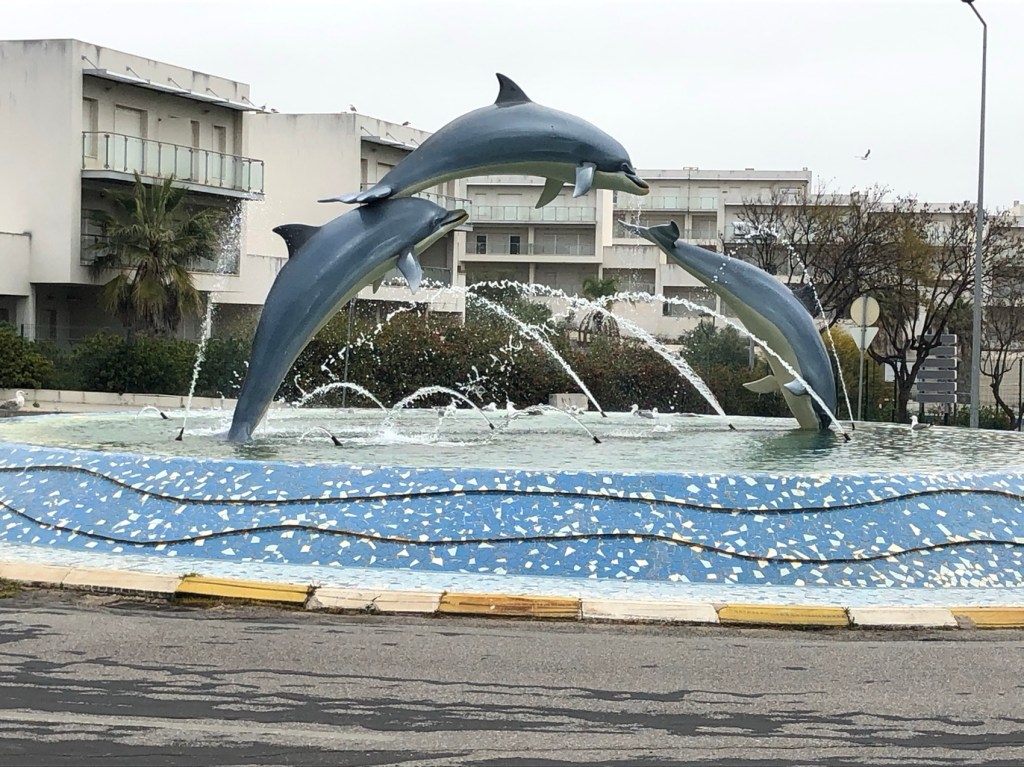
We met the coach at a roundabout near where we are staying. We were there a few minutes early and were able to enjoy seagulls taking a bath,
We set for our first stop which was Silves. The Western Algarve is a citrus growing area. The local oranges are not even close to the ones in Canada. Here they are very sweet and juicy. We also passed lots of fig trees and avocados, but they were all just coming into leaf.
Silves
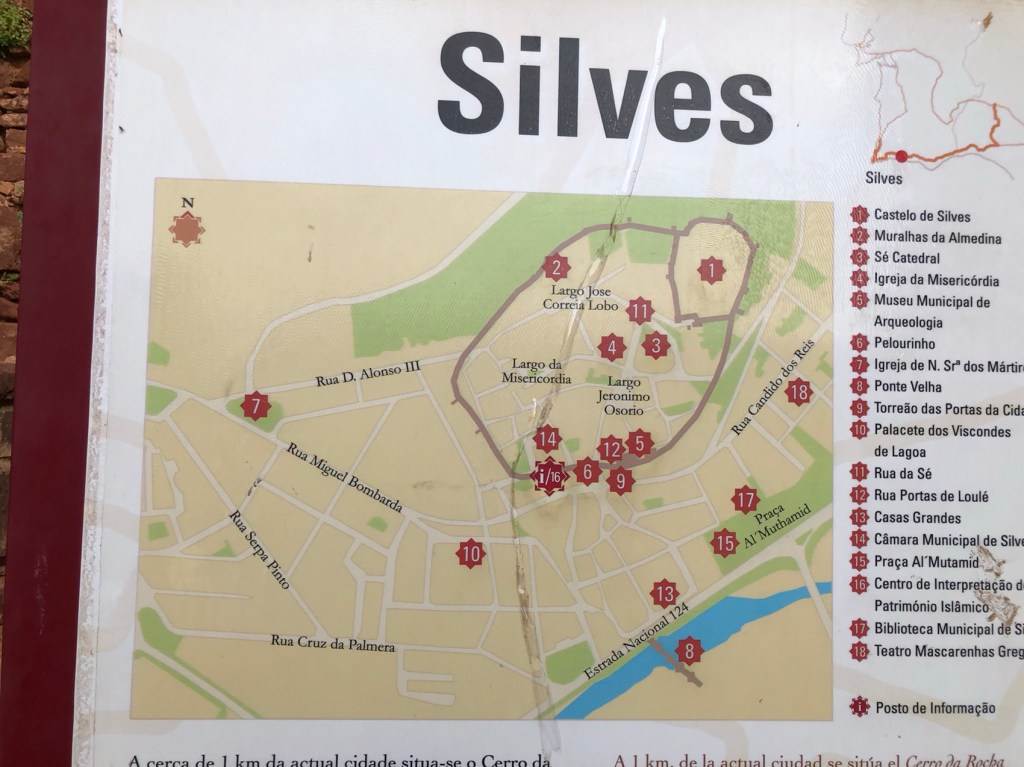
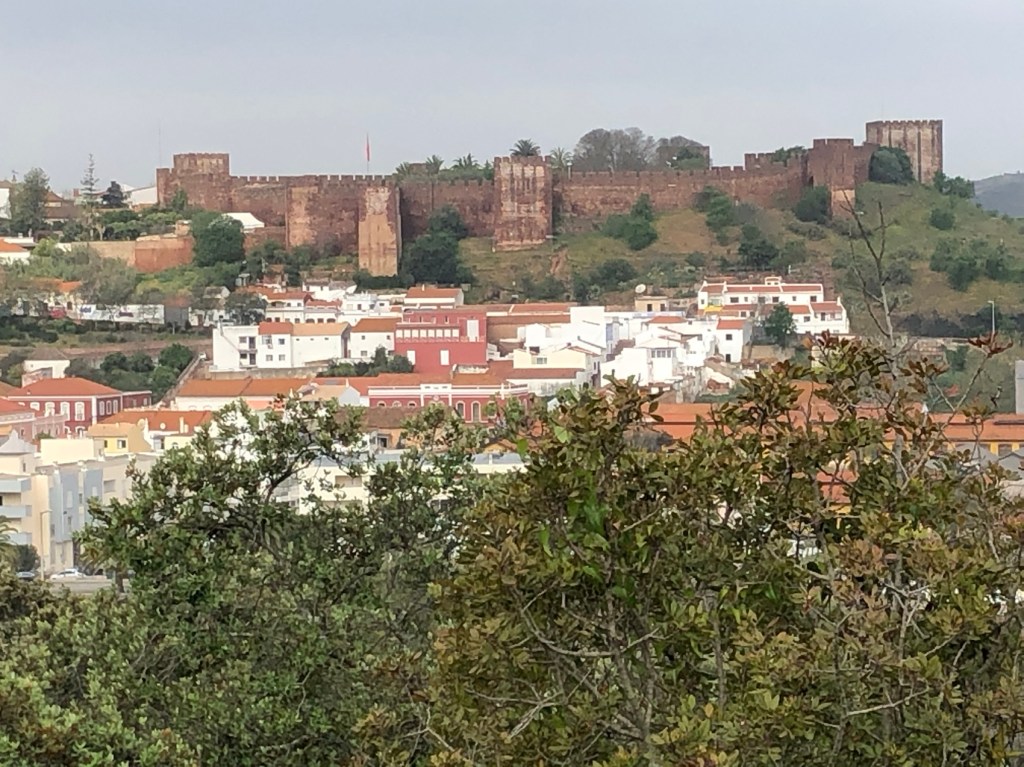
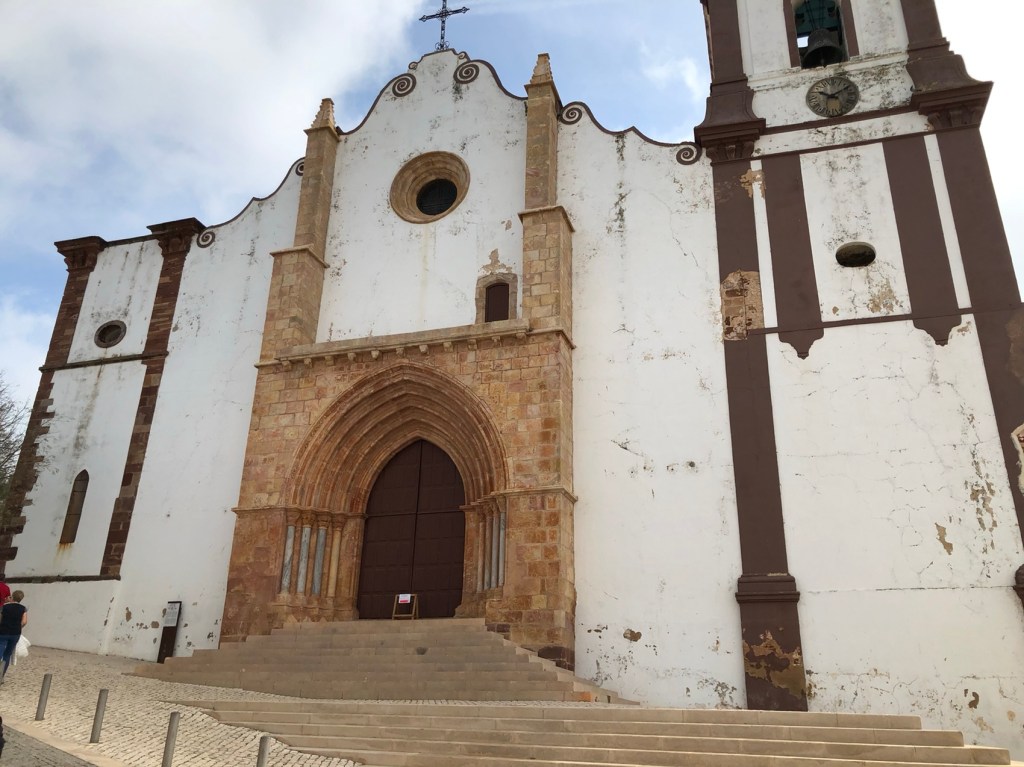
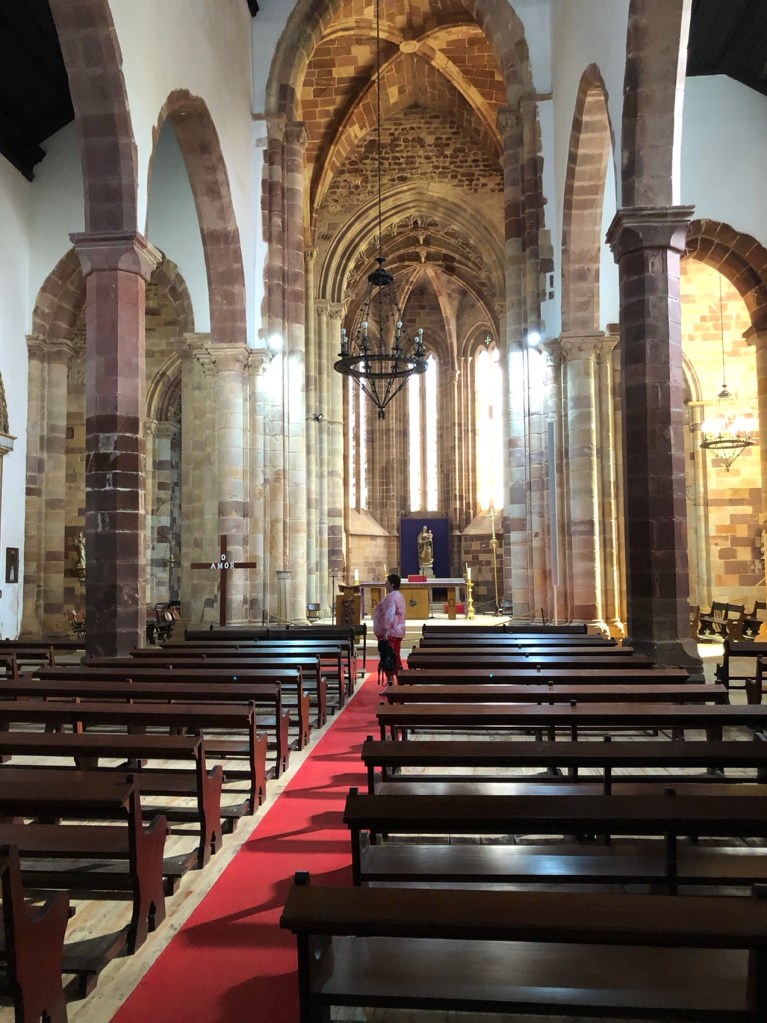
Sives was once the capital of the area when the Moors were here. They were ousted with the help of armies sent by a British king and Portugal is Britain’s oldest ally. While we were here we visited the remains of the Moors’ fortress. Much of it was destroyed in an earthquake in the 18th century. The cathedral next to it was formerly a mosque.
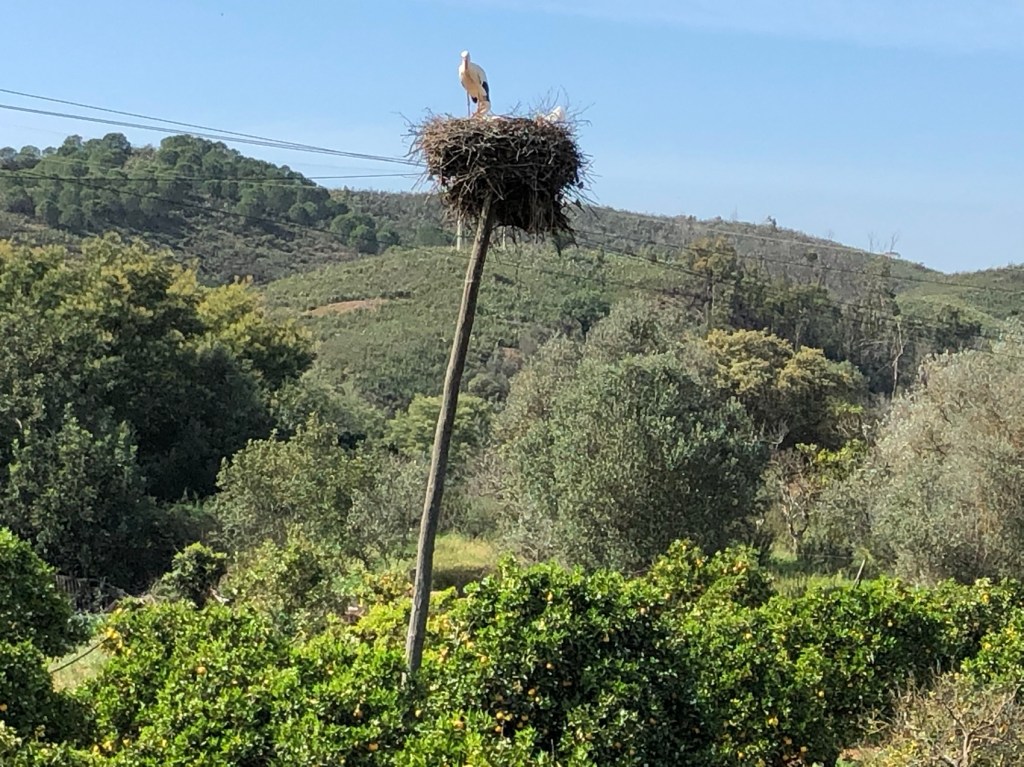
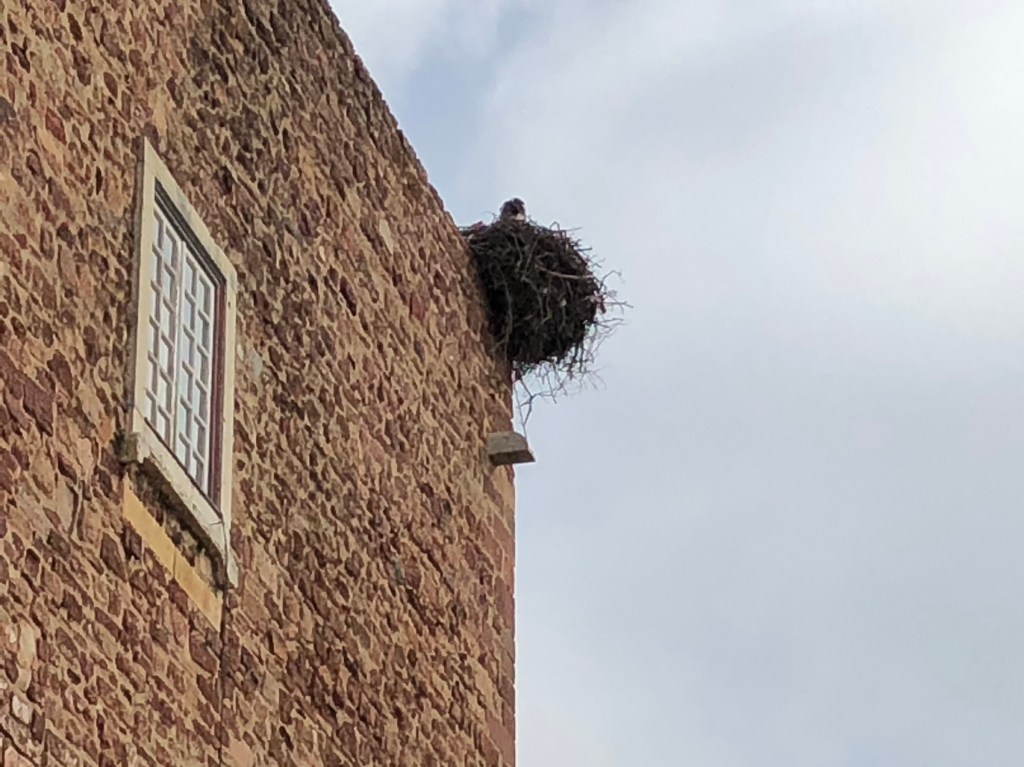
As we walked into the town we discovered that this whole area is a haven for storks and most don’t even fly south for the summer. They and their nests are protected, and in one small area there are reputed to be 12 000 of them. At this time of the year they are hatching their eggs or feeding their chicks. The nests are balanced very carefully and they return to the same nests each year and add to them.
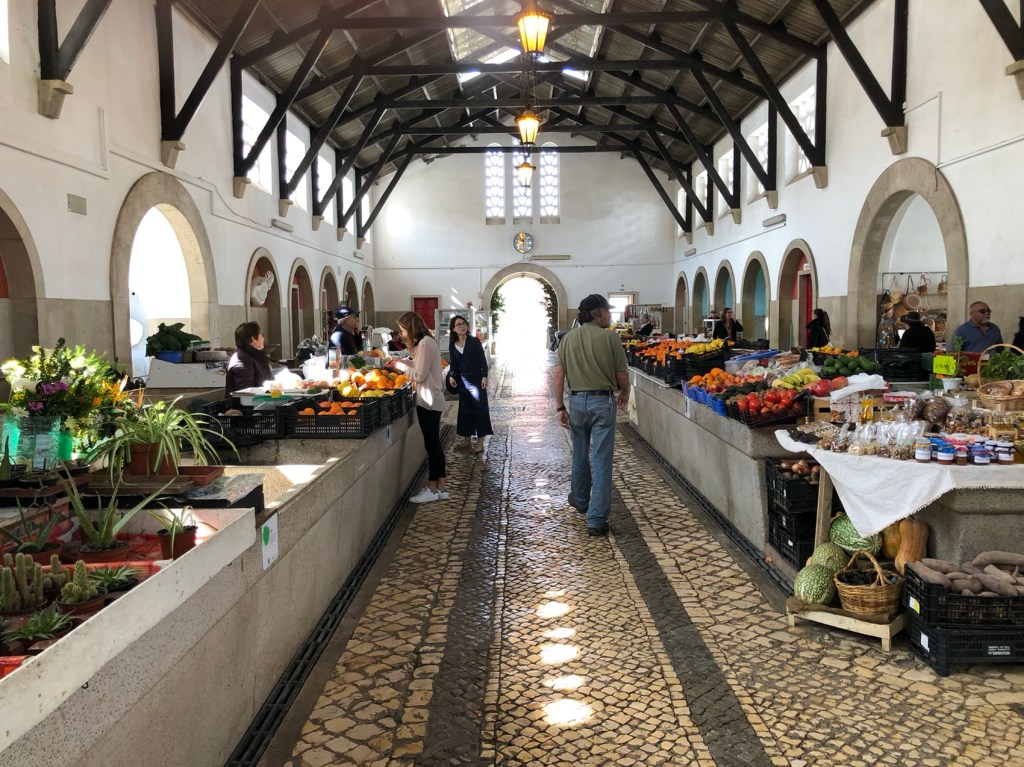
We walked through the local market which had lots of fresh produce and cakes made from dried figs and almonds, but very few customers.
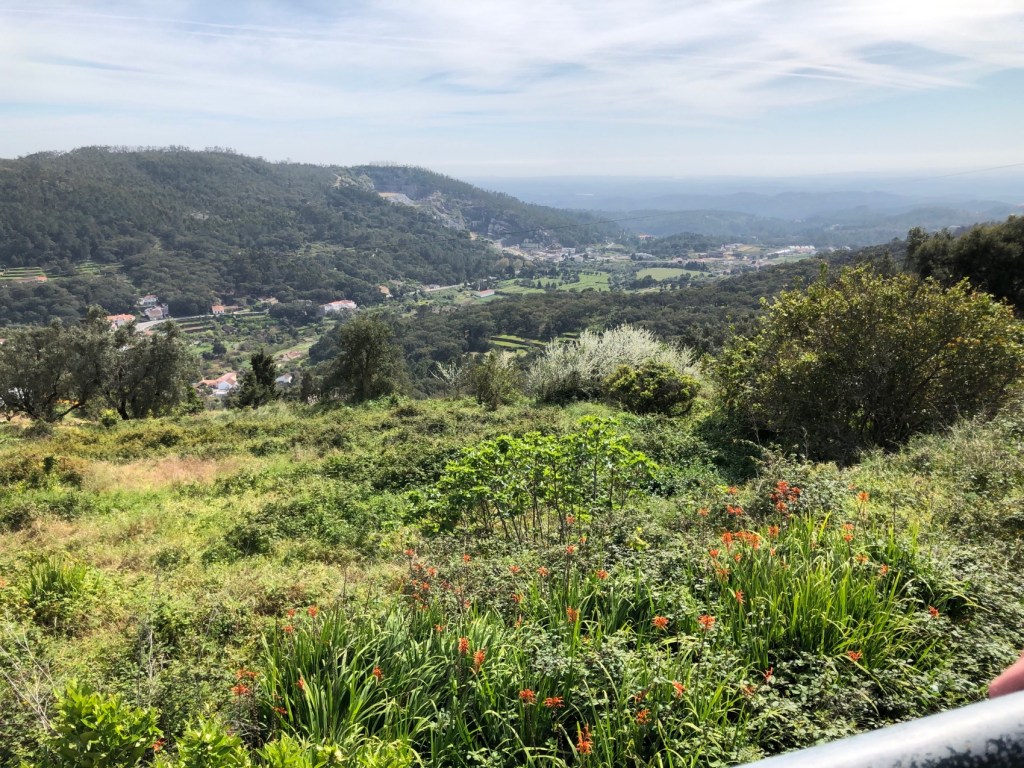
From Silves we drove to Monchique, the highest point in the Algarve at 905 metres. Lower than we live in Calgary but a great view on a sunny day. It was a bit misty when we were there. There is a convent lower down which was funded by a ship’s captain because he used the green hill to help him navigate to safety in a bad storm.
We had a pre-arranged lunch at a nearby restaurant. We had bread and ham which was followed by a choice of three main dishes, a small dessert, and coffee. There were two bottles of wine and a jug of orange juice on each table for four. All this for the princely sum of fourteen euros per person.
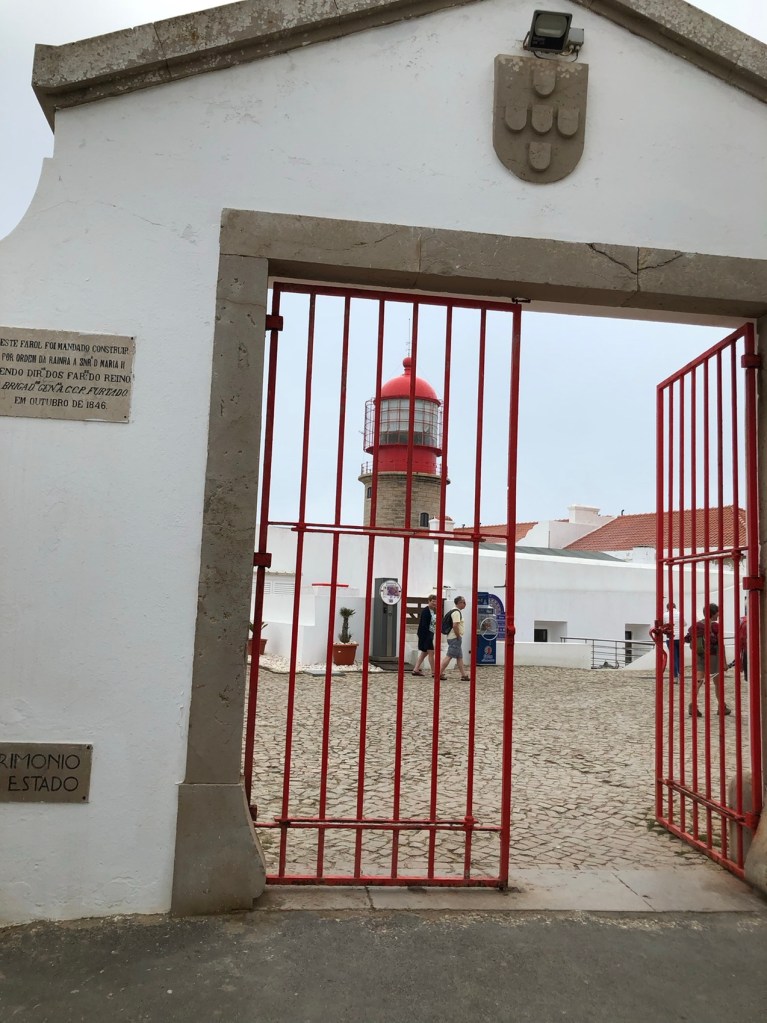
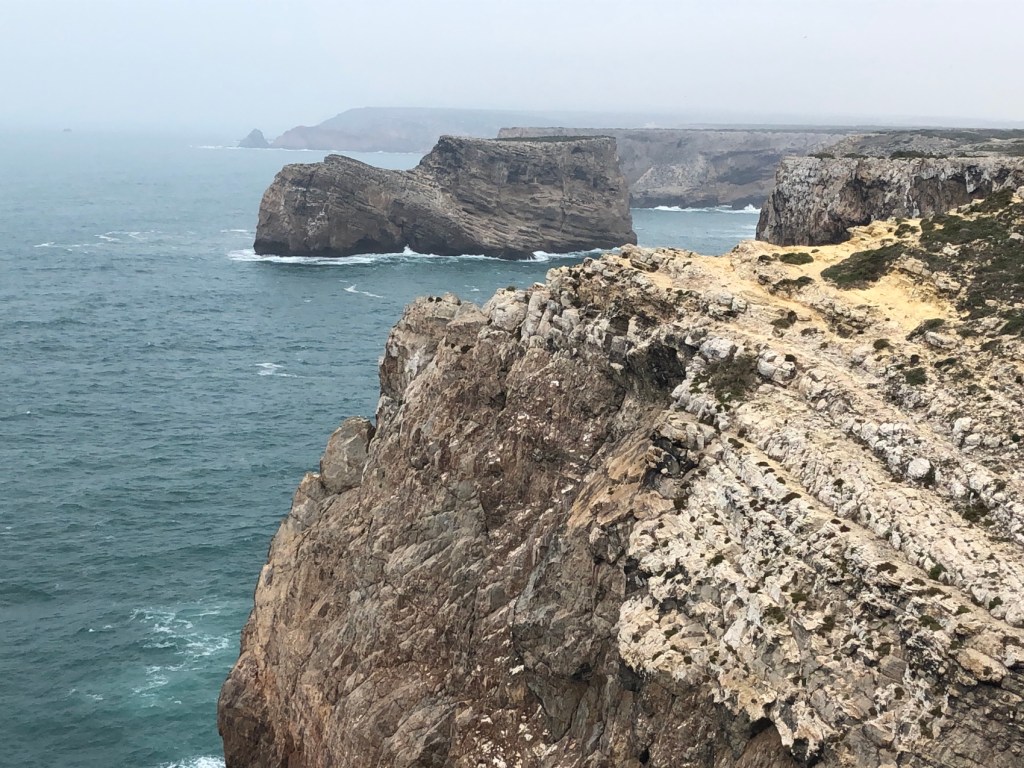
From Monchique we drove to the end of the world, literally. This was where the world was thought to end before the conquistadors set off and returned. It is the farthest western part of the Algarve. It was chilly here.
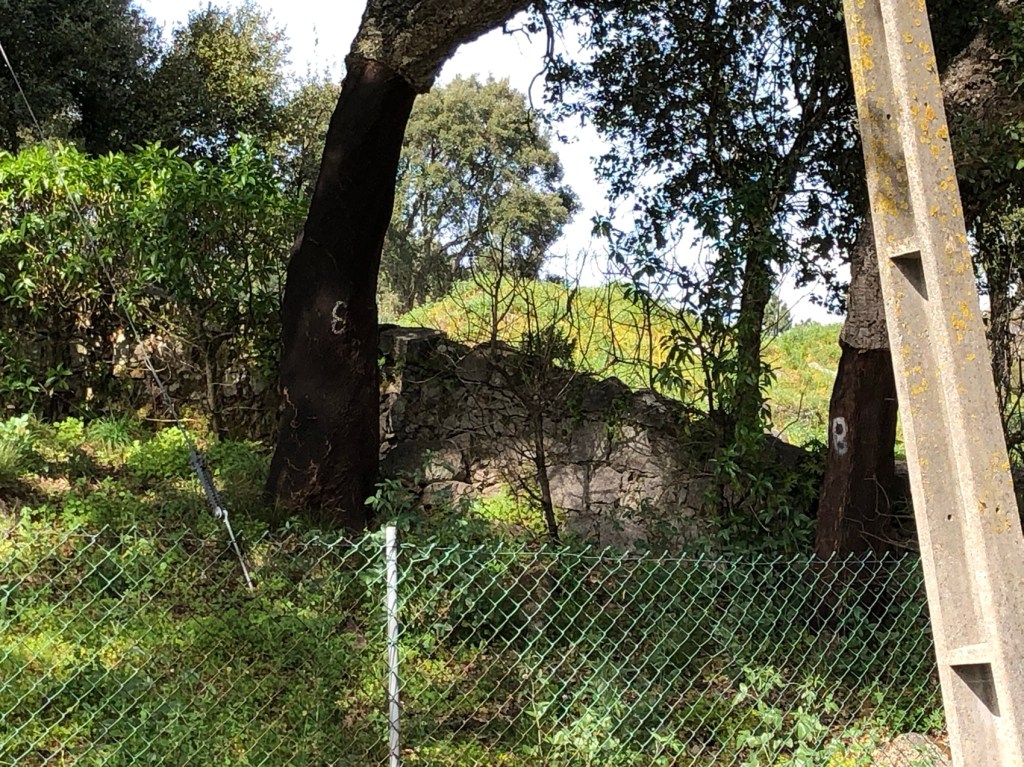
On the way to Monchique, we passed may cork trees. Portugal has a thriving cork industry. We may not see many corks in wine bottle anymore, but they are still used here. The cork is now a tourist commodity as well. In the shops you can find just about anything made of cork, including hats, purses, and even postcards. The cork from the trees cannot be harvested for the first 25 years after they are planted. After that it can be harvested every nine years. Once the cork has been removed from the trees, the last number of the year is painted on the trees so it is clear when they can next be harvested. The cork trees are, of course, protected.
Our next stop after the end of the world was Lagos. This is a resort area with a large marina and people with plenty of cash. We visited the Church of Saint Anthony but no photos were allowed. There is a huge floor to ceiling altar covered with gold leaf. We spent some time walking down some narrow streets and back to the bus. We got back to Albufeira and had dinner. There weren’t many people around and the restaurant which had diners on two floors when we first came only had us and two other couples in it last night. We suspect that people are leaving at the end of their holidays and nobody else is coming here.
 hubertsineuropespring2020